All Categories
Featured
Table of Contents

Examining Car Condition in the region

Vehicle lease returns in 2026 require a level of analysis that many chauffeurs overlook until the last weeks of their contract. As automotive production expenses and resale values vary, renting companies have tightened their meanings of appropriate wear and usage. For those browsing the return procedure in your local community, comprehending the distinction in between a small scuff and a chargeable damage is important for avoiding unanticipated invoices.Most leasing contracts include a guide often described as a wear-and-use evaluator. This physical or digital tool helps identify if a car's condition falls within "typical" parameters. Typically, little scratches that can be rubbed out or dings smaller sized than the diameter of a credit card are forgiven. When several damages appear on a single panel or if the paint is broken, the inspector most likely categorizes the damage as extreme. Preparing for this assessment with specialized dent repair before the main inspection can conserve hundreds, if not thousands, of dollars.
The Financial Reality of Excessive Wear Charges
Dealerships and leasing banks are not in business of carrying out affordable repairs. When an automobile is returned with damage, the renting company typically charges the motorist the full retail price for body store work. These charges typically consist of high labor rates and the cost of repainting whole panels, even for small flaws. Drivers who disregard these flaws often get a bill weeks after the vehicle has been kipped down, leaving them with no recourse to contest the charges.Strategic drivers often seek out independent assessments to identify possible red flags. By resolving these concerns through paintless dent removal, the vehicle is brought back to a condition that meets or goes beyond the turn-in standards. This proactive approach removes the danger of the leasing company dictated repair costs. Lots of automobile owners discover worth in Timely Repairs before their lease term expires, ensuring the automobile looks its finest for the last walk-around.
Advantages of PDR for Lease Returns

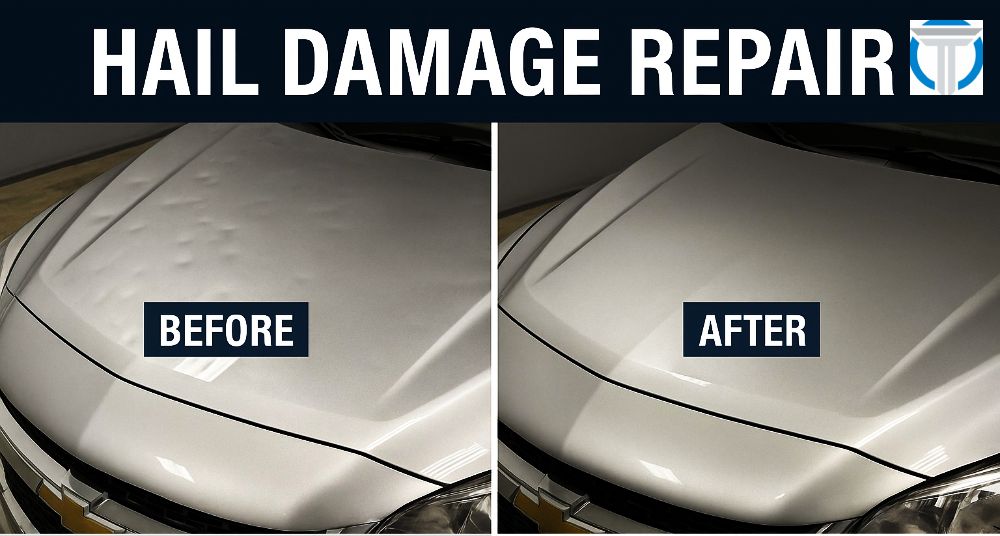
Paintless Dent Repair, typically known as PDR, has actually ended up being the favored technique for lease return preparation in the local area. Unlike conventional body stores that use fillers and sanding, PDR includes specialized tools to carefully massage the metal back to its initial shape from behind the panel. This process is particularly effective for door dings, hail damage, and small creases that haven't broken the factory paint.Because the factory surface stays undamaged, there is no danger of mismatched paint colors or "overspray" that might tip off a discerning inspector. Moreover, the turn-around time for these repair work is substantially faster than standard approaches, frequently finished in a single day. The cost-effectiveness of this technique makes it an ideal service for those seeking to protect their credit and savings account. Investing in Critical Timely Repairs can considerably minimize end-of-contract penalties by eliminating visible proof of everyday driving dangers.
Consumer Rights and Repair Transparency
Transparency in the repair process is a substantial concern for supporters in the surrounding region. Motorists deserve to choose where and how their lorry is repaired before it is gone back to the lessor. Some leasing business attempt to guide clients towards their own preferred collision centers, but customers are totally free to seek out independent experts who concentrate on lease return solutions.Documenting the lorry's condition is a vital step in this process. Taking high-resolution images of all panels, wheels, and glass after repair work are finished supplies a safety net if the leasing business claims damage existed that was currently dealt with. Openness works both methods; by presenting a clean, well-kept car, the motorist sets a standard that the inspector must follow.
Timing the Pre-Return Examination
The perfect window for a pre-return evaluation is approximately 60 to 90 days before the lease matures. This timeframe permits adequate space to set up repairs without the pressure of a looming due date. Many leasing companies provide a complimentary initial examination during this period. Chauffeurs must make the most of this "no-penalty" aim to see precisely what the inspector flags as excessive.Once the initial report is in hand, the chauffeur can deal with only the items that would lead to a charge. This targeted method prevents investing money on "typical" wear that the business would have ignored anyhow. In the local market, savvy lessees utilize these reports as a roadmap for their repair technique.
Keeping Resale Value and Credit Standing
A smooth lease return is about more than simply the immediate expense of repairs. Unpaid wear-and-use charges can eventually be sent out to collections, which negatively affects a customer's credit history. In the 2026 monetary climate, preserving a high credit rating is necessary for securing beneficial rates on a subsequent car or mortgage. By ensuring the vehicle is returned in exceptional condition, the chauffeur also preserves a positive relationship with the financing institution.Professional damage solutions offer a bridge in between the truth of day-to-day driving and the strict requirements of a lease contract. Whether the vehicle was utilized for a day-to-day commute in the local area or periodic journeys across the region, little dings are nearly inevitable. Addressing them through specialist indicates makes sure that the only thing a chauffeur has to fret about on return day is choosing their next vehicle.Reliable repair services concentrate on precision and honesty. They help chauffeurs understand which dents are worth fixing and which ones fall under the umbrella of appropriate wear. This level of advocacy makes sure that customers are not taken benefit of by aggressive evaluation practices. Eventually, the goal is a "zero-balance" return where the secrets are turned over and the agreement is closed without further financial obligation.

Latest Posts
Keeping High Resale Values with Strategic History Report Security
Handling a Wide Range of Claims After a Heavy Hail Season
Why Savvy Owners Pick PDR to Keep History Reports Clear