All Categories
Featured
Table of Contents

Modern Approaches to Lorry Restoration in the local community
Automotive repair requirements in 2026 have moved far from the standard design of repainting entire automobile areas for minor damage. The increase of wise (Small Medium Area Repair Work Innovation) has shifted how specialists approach everyday wear and tear. This approach focuses on fixing just the broken area rather than changing or refinishing large body panels. When a vehicle sustains a minor scuff or a little damage, the objective is now localized repair. This shift benefits the vehicle owner by keeping more of the initial factory paint, which is typically remarkable to aftermarket finishes used in high-volume body shops.The core of this modern-day strategy involves keeping the repair footprint as little as possible. Standard body shops regularly firmly insist on "blending" paint across several panels to ensure a color match, which increases labor expenses and product waste. In contrast, SMART repair work utilize high-precision tools and specialized fillers that enable a localized fix. This method is particularly efficient for bumper scuffs, mirror casing scrapes, and localized scratches. By 2026, the accuracy of computerized color matching has reached a point where service technicians can blend paint on-site that accounts for the minor fading or weathering particular to a specific vehicle.
The Technical Synergy of PDR and Surface Repair

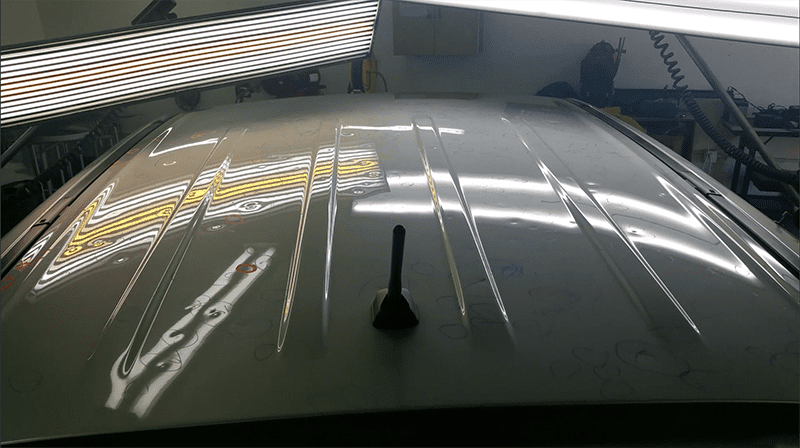
Paintless Dent Repair, or PDR, functions as the foundation for numerous integrated repair techniques. This procedure involves the mindful control of the car's metal skin from the underside utilizing specialized steel rods and light boards. Technicians utilize these tools to massage the metal back into its initial shape without splitting the paint. In the past, even a tiny dent frequently needed sanding, filling, and repainting. Today, PDR handles the structural correction of the metal, while clever technology addresses any superficial paint damage that occurred throughout the initial impact.Integration of these two approaches is where true performance occurs. If a vehicle has a damage that likewise includes a deep scratch, a shop may first use PDR to bring back the body line perfectly. As soon as the metal is flat, they apply a localized paint repair work to the scratch. This dual technique prevents the need for heavy polyester fillers that can shrink or break over time. Expert focus on Auto Body Maintenance guarantees that the structural stability of the panel stays undamaged while the visual surface is brought back to a factory-standard look.
Consumer Advocacy and Repair Transparency
Transparency in the repair market is a considerable concern for lorry owners in the surrounding region. Many massive accident centers are incentivized to carry out bigger repairs due to the fact that insurance provider agreements often focus on volume and standardized part replacement over workmanship. As a customer supporter, it is needed to highlight that not every scratch requires a new door skin or a three-panel respray. Owners should ask specialists for a "localized repair" quote before accepting a full respray.Understanding the difference in between a traditional body shop and a specialized repair work facility can save hundreds of dollars. Specialized specialists typically offer more comprehensive descriptions of how they mean to deal with the clear coat. In 2026, clear coat technology has become more resistant to UV rays, however it is also thinner on numerous electrical and hybrid automobiles to save weight. A localized repair work protects the density of the factory clear coat on the remainder of the automobile, which is a significant consider long-term rust resistance.
Economic and Environmental Benefits in 2026
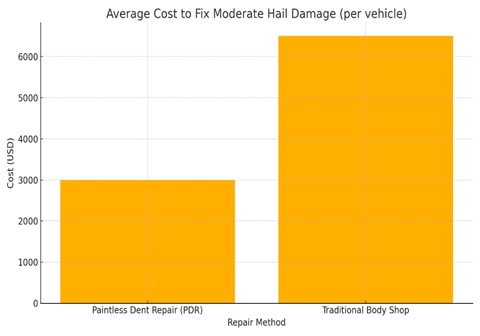
The monetary ramifications of targeted repairs extend beyond the initial expense. When a vehicle goes through a major respray, it is typically kept in mind on history reports, which can reduce the resale worth. SMART and PDR strategies are less likely to set off these flags due to the fact that they are often thought about "cosmetic maintenance" instead of "accident repair." Keeping the initial paint is a top priority for collectors and everyday motorists alike, as it proves the automobile has not been associated with a structural accident.From an environmental point of view, the reduction in chemical waste is substantial. Traditional painting includes big quantities of solvent-based guides, skim coat, and clear coats, in addition to the energy needed to run a full-size heated spray cubicle. Localized repair work utilize a portion of these products. The development of Routine Auto Body Maintenance has added to a more sustainable automotive service sector by decreasing the volume of unstable natural substances (VOCs) released throughout the repair procedure. Small-scale spray weapons used in clever repair work are designed for minimal overspray, which even more reduces the chemical footprint.
Selecting the Right Specialist in the area
Not all stores have the customized devices or the qualified workers needed for top quality PDR and wise combination. When looking for a service provider in the local market, owners ought to look for technicians who particularly discuss localized repair strategies. A shop that only offers full panel painting might not have the tools or the perseverance needed for the "fine-art" aspect of PDR. It is likewise handy to inquire about the curing process. Modern stores in 2026 normally use UV-curing lights that solidify the paint in minutes, guaranteeing a more long lasting surface than air-drying. A quality specialist should have the ability to show a portfolio of "previously and after" work that consists of close-up shots of the repair site under various lighting conditions. They need to also be ready to discuss why a specific damage may not be a prospect for PDR, such as when the metal is stretched too far or found on a reinforced double-skin edge. Honesty about the limitations of these technologies is a trademark of a credible company.
Looking Ahead at Lorry Upkeep Standards

As we move through 2026, the materials used in cars and truck manufacturing continue to progress. Aluminum and high-strength steels need different PDR strategies than the softer steels of the past. The matte and satin surfaces discovered on numerous modern lorries present brand-new challenges for Clever repair work. Specialized stores are now using digital scanners to evaluate the texture of the paint, making sure the gloss level of the repair matches the surrounding area perfectly.The integration of these technologies represents an approach more sensible, less intrusive vehicle care. Instead of viewing a vehicle as a collection of exchangeable parts, the wise philosophy deals with the car as an entire system where the original elements are valued. This approach keeps more vehicles on the roadway in the region looking their best without the excessive costs associated with conventional accident centers. By staying informed about these alternatives, consumers can make better decisions that secure both their automobiles and their wallets. The focus stays on quality over quantity. A well-executed localized repair is practically unnoticeable even to the qualified eye, whereas a poorly matched full-panel respray can be seen from throughout a car park. By selecting shops that prioritize these targeted techniques, chauffeurs ensure their lorries stay in peak condition for many years to come.

Latest Posts
Keeping High Resale Values with Strategic History Report Security
Handling a Wide Range of Claims After a Heavy Hail Season
Why Savvy Owners Pick PDR to Keep History Reports Clear